Article: Aluminized Heat-Resistant Clothing: How It Protects Workers in Foundries and High-Temperature Industries
Aluminized Heat-Resistant Clothing: How It Protects Workers in Foundries and High-Temperature Industries
Working around furnaces, molten metal, glass, forging equipment and other high-temperature processes exposes workers to some of the most demanding thermal hazards found in industrial environments.
Standard workwear or conventional flame-resistant clothing may not provide the level of protection required when workers are exposed to intense radiant heat, molten metal splash, sparks and elevated ambient temperatures.
This is where aluminized heat-resistant clothing becomes an important part of an industrial PPE system.
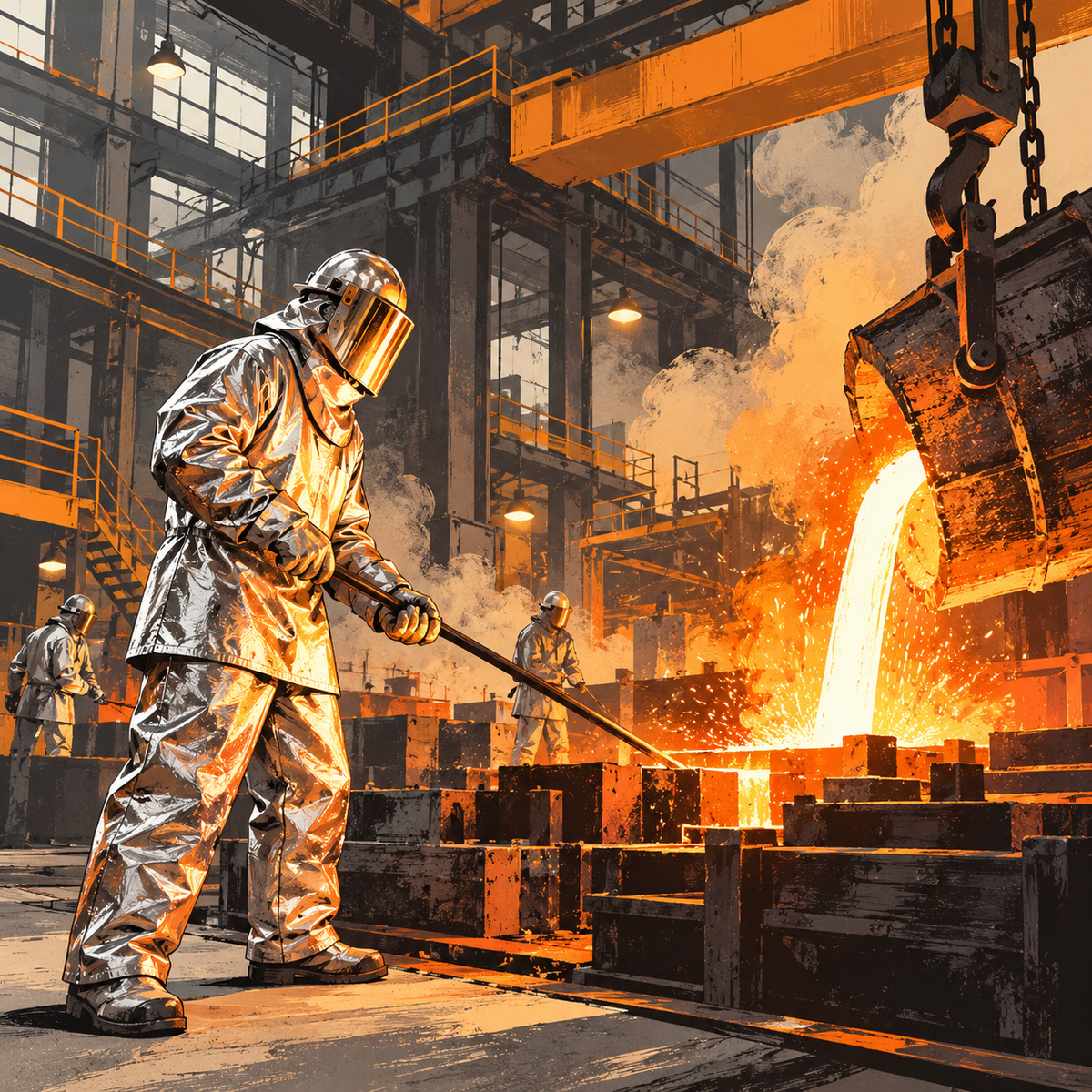
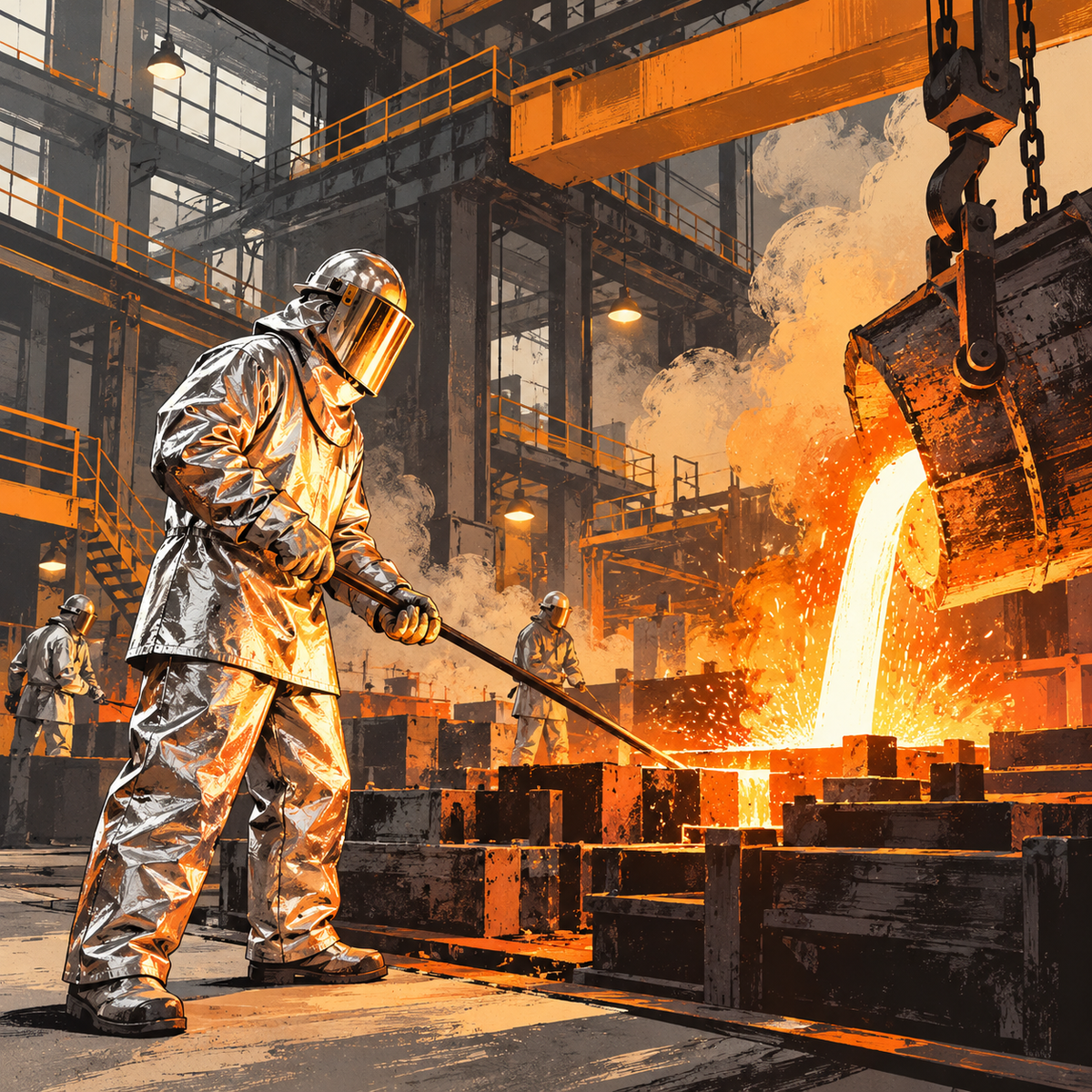
Designed with a reflective aluminized outer surface and heat-resistant underlying materials, aluminized protective garments can help reduce radiant heat reaching the wearer while providing additional protection during high-risk operations.
What Is Aluminized Heat-Resistant Clothing?
Aluminized protective clothing is industrial PPE manufactured using a heat-resistant substrate with an aluminium-coated outer surface.
The reflective outer layer is designed to reflect a significant portion of radiant thermal energy away from the wearer. This makes aluminized garments particularly useful around furnaces and other processes where workers are exposed to intense radiant heat.
Depending on the garment construction and application, aluminized PPE can include:
-
Aluminized jackets
-
Heat-resistant coats
-
Protective trousers
-
Aprons
-
Sleeves
-
Gloves and gauntlets
-
Hoods and face protection
-
Leg and boot protection
-
Full-body protective suits
The exact combination should be selected according to the hazards, exposure level, task and applicable PPE requirements.
Why Is Radiant Heat Protection Important?
Industrial heat exposure does not come from just one source.
A worker near a furnace may simultaneously experience:
-
Radiant heat from the furnace or molten material
-
Convective heat from hot surrounding air
-
Contact heat from hot equipment or components
-
Molten metal splash
-
Sparks and hot particles
Radiant heat can be particularly challenging because a worker may experience significant thermal exposure without directly touching the heat source.
Aluminized materials are designed to reflect much of this radiant energy rather than absorbing all of it into the garment. This is one reason aluminized protective clothing is widely associated with foundries, metal processing and other high-temperature industrial applications.
Where Is Aluminized PPE Used?
Aluminized clothing can be useful in several industrial environments where workers encounter high radiant heat or molten materials.
1. Foundries
Foundry workers may operate around furnaces, ladles, casting lines and molten metal.
During pouring, tapping and other high-risk operations, workers can be exposed to both intense radiant heat and molten metal splash.
A suitable PPE system may include:
-
Aluminized jacket or coat
-
Heat-resistant trousers
-
Foundry gloves
-
Extended gauntlets
-
Apron
-
Hood and face protection
-
Protective footwear
The specific combination should be determined through the site's hazard assessment.
2. Steel Mills
Steel manufacturing involves furnaces, molten metal, hot billets and high-temperature processing equipment.
Workers operating close to these processes may require specialized thermal PPE capable of handling intense radiant heat and occasional sparks or hot material.
3. Glass Manufacturing
Glass plants can expose workers to prolonged radiant heat from furnaces and hot glass-processing equipment.
In these environments, mobility and thermal protection need to be balanced carefully. Depending on the task, workers may require aluminized jackets, gloves, sleeves, aprons or other targeted protection rather than a full-body suit.
4. Welding and Metal Fabrication
Welding and thermal cutting generate sparks, hot particles and localized heat.
While not every welding operation requires aluminized PPE, specific high-heat applications may benefit from aluminized aprons, sleeves, gloves or other specialized garments.
5. Heat-Treatment Operations
Industrial heat-treatment facilities may involve repeated handling of components coming from furnaces or other high-temperature equipment.
Workers may require combinations of heat-resistant gloves, sleeves, aprons or coats depending on the process.
Aluminized Clothing vs. Conventional FR Clothing
One of the most important points for PPE buyers is that flame-resistant clothing and aluminized clothing are not automatically interchangeable.
FR clothing is primarily designed to provide protection against specific flame and thermal hazards.
Aluminized clothing adds a reflective outer surface designed to reduce radiant heat exposure.
In some applications, the two approaches can work together.
For example, an industrial PPE system could combine:
FR base layer → thermal insulation → aluminized outer layer
The correct configuration depends on the hazard assessment and the performance requirements of the application.
What Should You Look for When Buying Aluminized PPE?
Price should not be the only consideration when purchasing high-temperature protective clothing.
Procurement teams should evaluate several factors.
1. Fabric Construction
Ask what the garment is actually made from.
Important considerations include:
-
Base fabric
-
Aluminium coating
-
Thermal insulation
-
Flame resistance
-
Stitching material
-
Reinforcement
-
Lining
-
Closures
The outer aluminized layer is only one part of the complete protective system.
2. Relevant Standards and Testing
Look for garments supported by appropriate testing and certification for their intended application.
For example, EN ISO 11612 is an important standard for protective clothing against heat and flame.
Thermelta's product range is positioned around EN ISO 11612 and IS 17423, with the company stating that its batches undergo radiant-heat testing before dispatch.
However, buyers should always verify the actual certification, test reports and performance ratings for the specific garment being purchased.
3. Molten Metal Protection
Radiant heat protection and molten metal protection are not the same thing.
If workers handle molten metal, procurement teams should pay close attention to the garment's tested performance against the specific metal and exposure conditions involved.
For foundry applications, this distinction is particularly important.
4. Coverage
Consider how much of the body needs protection.
A worker performing a short-duration task may require targeted protection such as:
-
Gloves
-
Sleeves
-
Apron
-
Jacket
A worker operating directly in a high-risk furnace or casting area may require substantially more coverage.
5. Mobility and Ergonomics
More protection does not necessarily mean better protection if workers cannot comfortably perform their jobs.
Poorly designed PPE can restrict movement, increase fatigue and discourage consistent use.
Garments should therefore provide an appropriate balance between:
Protection + Coverage + Mobility + Comfort
6. Fit and Sizing
Correct sizing is essential.
A garment that is excessively loose can interfere with movement and equipment. A garment that is too tight can restrict mobility and reduce comfort.
For industrial procurement, standardized sizing across the workforce can also simplify replacement and inventory management.
Why Heat-Resistant Gloves Matter
Hands are often among the most exposed parts of the body during high-temperature operations.
Workers may need to handle tools, components or equipment while operating close to furnaces and molten materials.
A suitable heat-resistant glove may incorporate materials such as:
-
Split leather
-
Aluminized fabric
-
Heat-resistant liners
-
Reinforced stitching
-
Extended cuffs
-
Additional palm or thumb reinforcement
Extended gauntlet cuffs are particularly useful where protection needs to extend beyond the wrist and into the forearm.
Thermelta's range includes foundry gloves, aluminized gloves and extended-cuff heat-resistant gloves designed for industrial high-heat applications.
Common Mistakes When Selecting High-Heat PPE
Mistake 1: Choosing PPE Based Only on Temperature
A common misconception is:
"The process reaches 1,000°C, so we need clothing rated for 1,000°C."
Industrial thermal protection is more complicated than a single temperature number.
The relevant exposure may involve radiant heat, molten splash, contact heat, flame, exposure duration and distance from the heat source.
Mistake 2: Assuming All Aluminized Garments Are the Same
Two garments can look almost identical while having significantly different construction, insulation, stitching and tested performance.
Always examine the technical specification rather than relying on appearance.
Mistake 3: Ignoring the Rest of the PPE System
A protective jacket alone does not provide head-to-toe protection.
Depending on the operation, the PPE system may also require:
Helmet + hood + face protection + jacket + gloves + trousers + gaiters + safety footwear
Mistake 4: Buying Only on Price
Industrial PPE is a safety-critical purchase.
A cheaper garment may have different material construction, weaker seams, lower durability or inadequate testing for the intended hazard.
The correct question is not simply:
"What is the cheapest heat-resistant garment?"
It is:
"Which PPE provides the appropriate tested protection for this specific hazard?"
How to Build a Foundry Heat-Protection PPE Kit
A typical high-heat foundry PPE system can be structured around the worker's exposure.
| Body Area | Possible PPE |
|---|---|
| Head | Helmet / heat-resistant hood |
| Face | Face shield / visor |
| Torso | Aluminized jacket or coat |
| Arms | Heat-resistant sleeves |
| Hands | Foundry gloves / aluminized gauntlets |
| Legs | Heat-resistant trousers |
| Feet | Heat-resistant safety footwear |
| Lower legs | Gaiters / boot covers |
The final configuration should always be based on the site's documented hazard assessment and applicable safety requirements.
Why Proper PPE Selection Matters
Industrial thermal protection is not simply about wearing the thickest or most reflective garment available.
The best solution is one that matches the actual hazard.
A foundry worker standing close to a furnace may have very different requirements from a worker handling a hot component several metres away.
Similarly, a glass manufacturing operator may require a different combination of protection from a steel casting worker.
This is why industrial PPE selection should begin with the job, hazard and exposure, rather than the product catalogue.
Thermelta: High-Heat PPE for Industrial Environments
Thermelta focuses on protective equipment for demanding industrial environments, with a product range covering heat-resistant leather gloves, aluminized gloves, foundry aprons, jackets, trousers and other high-temperature protective apparel.
The company positions its products for applications including foundries, steel mills, glass units, welding and metal processing.
For industrial buyers, the objective should be straightforward:
Identify the thermal hazard. Select the appropriate protection. Verify the required standards and testing. Equip workers with PPE designed for the actual task.
High-temperature environments leave little room for compromise. The right protective clothing can become an important part of a comprehensive industrial safety program.
Frequently Asked Questions
What is aluminized heat-resistant clothing?
Aluminized heat-resistant clothing is protective industrial apparel featuring an aluminium-coated outer surface designed to reflect radiant heat. It is commonly used in foundries, steel plants, glass manufacturing and other high-temperature environments.
Does aluminized clothing protect against molten metal?
Some aluminized garments are specifically designed and tested for molten metal splash protection. However, not every aluminized garment provides the same level of protection. Buyers should verify the garment's relevant test ratings and intended application.
Is aluminized PPE suitable for foundries?
Yes. Aluminized protective clothing is widely used in foundry environments where workers may encounter intense radiant heat and molten metal hazards.
What PPE should foundry workers wear?
The exact PPE depends on the task and hazard assessment. Depending on the operation, it can include heat-resistant gloves, aluminized jackets or aprons, trousers, hoods, face protection and heat-resistant footwear.
What standard should I look for in heat-resistant clothing?
EN ISO 11612 is one important standard for protective clothing against heat and flame. Additional requirements may apply depending on the specific hazard and industry.
How do I choose the right heat-resistant PPE for my factory?
Start by identifying the heat source, exposure type, exposure duration, molten-metal hazards, worker task and required level of protection. Then compare PPE based on tested performance, material construction, coverage, fit and applicable standards.
Final Takeaway
High-heat PPE should be selected based on the hazard—not simply the temperature.
For foundries, steel mills, glass plants, welding operations and other industrial environments, aluminized protective clothing can provide an important layer of protection against radiant heat when appropriately designed, tested and used.
For procurement teams, the most important considerations are material construction, tested performance, molten-metal protection, coverage, ergonomics, certification and suitability for the specific task.
Thermelta's focus on high-heat industrial gloves and protective apparel makes it a specialized option for businesses looking to build a more robust PPE program for demanding thermal environments.